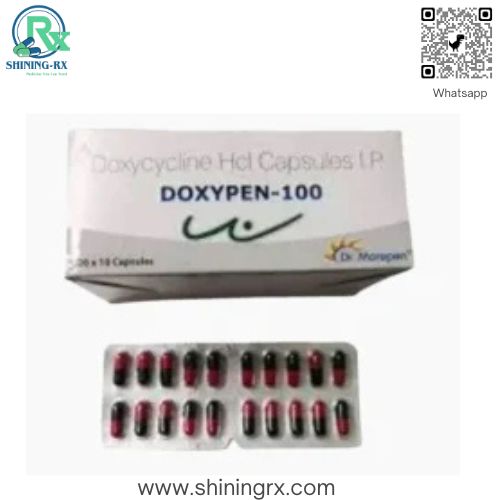
Doxycycline interacts with a defined set of drug classes, and is contraindicated in pregnancy and children under 8 years. Screening for these before the first dose prevents almost all serious events.
Interaction classes to screen
| Class | Concern | Action |
|---|---|---|
| Metabolic inhibitors | Raised plasma levels and exaggerated effect | Reduce dose or space administration |
| Metabolic inducers | Reduced exposure and treatment failure | Review response and adjust |
| Same-target agents | Additive pharmacology | Avoid duplicate therapy |
| Agents affecting the same organ system | photosensitivity, oesophagitis, GI upset | Monitor and document |
Key takeaways
- Screen every new prescription against the patient's full medicine list.
- Common reactions, photosensitivity, oesophagitis, GI upset, are amplified by interacting drugs.
- Document the interaction check in the dispensing record.
- Re-screen whenever another long-term medicine is added.
Monitoring in practice
Most interaction risk is manageable with a scheduled review after the onset window of acne response over 6–12 weeks; infection in 48–72 hours and one further check at steady state. Patients on multiple chronic medicines benefit from an annual structured medication review.
Doxycycline at a glance
| Attribute | Detail |
|---|---|
| Drug class | tetracycline antibiotic |
| Common brand | Vibramycin |
| Licensed use | acne, respiratory infection, malaria prophylaxis and STIs |
| Available strengths | 50 mg, 100 mg |
| Dosage form | capsule / tablet |
| Typical onset | acne response over 6–12 weeks; infection in 48–72 hours |
| Duration / dosing interval | 12–24 hour dosing |
| Storage | below 25 °C, protect from light |