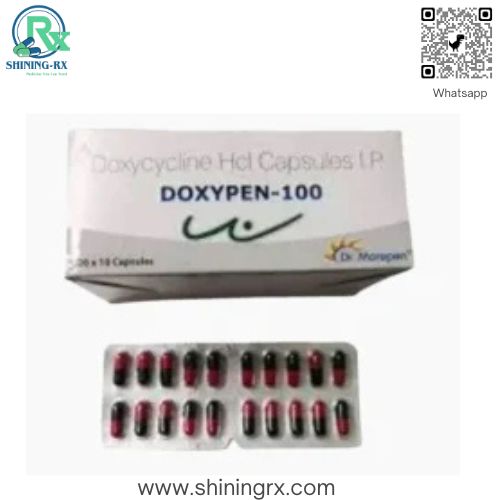
Doxycycline and Azithromycin are both used for acne, respiratory infection, malaria prophylaxis and STIs, but they differ on onset, duration and tolerability. Here is the practical comparison.
Doxycycline vs Azithromycin
| Factor | Doxycycline | Azithromycin |
|---|---|---|
| Class | tetracycline antibiotic | Same therapeutic goal, different pharmacokinetics |
| Onset | acne response over 6–12 weeks; infection in 48–72 hours | Comparable or slower depending on formulation |
| Duration | 12–24 hour dosing | Differs: the main reason clinicians switch |
| Strengths | 50 mg, 100 mg | Separate titration ladder |
| Typical tolerability issue | photosensitivity | Class-typical, usually mild |
| Generic availability | Widely available from GMP manufacturers | Widely available |
Key takeaways
- Choose Doxycycline when the priority is steady, sustained cover.
- Choose Azithromycin when tolerability or dosing convenience matters more.
- Both are available as quality generics, so cost is rarely the deciding factor.
- Switching within class does not usually require a washout period.
Which patient suits which
Patients who want on-demand control and a short exposure window generally do better on Doxycycline. Those who prefer fewer decision points, or who did not tolerate the first option, usually move to Azithromycin. Both are prescribed for acne, respiratory infection, malaria prophylaxis and STIs and both need the same contraindication check: pregnancy and children under 8 years.
Supply-side view
For pharmacies and telehealth platforms, stocking both gives prescribers a switch option without a re-order delay. ShiningRX ships Doxycycline and Azithromycin together on one consignment to reduce freight cost per unit.
Doxycycline at a glance
| Attribute | Detail |
|---|---|
| Drug class | tetracycline antibiotic |
| Common brand | Vibramycin |
| Licensed use | acne, respiratory infection, malaria prophylaxis and STIs |
| Available strengths | 50 mg, 100 mg |
| Dosage form | capsule / tablet |
| Typical onset | acne response over 6–12 weeks; infection in 48–72 hours |
| Duration / dosing interval | 12–24 hour dosing |
| Storage | below 25 °C, protect from light |