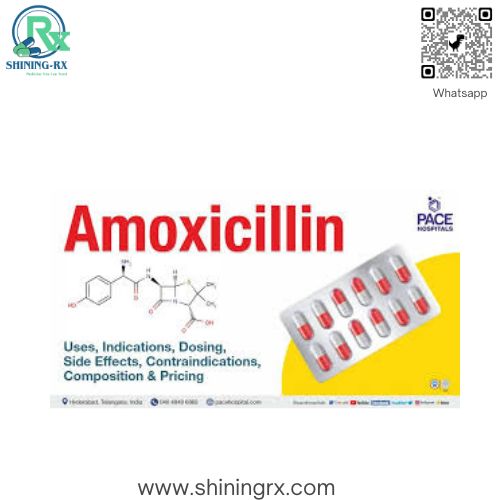
Amoxicillin is a steady-demand line for retail pharmacy and telehealth. This guide covers stocking levels, storage, shelf life and reorder planning.
- 4
- Strengths to stock
- 100
- Units per SKU wholesale tier
- 7–14
- Working days transit
- 24 h
- Order confirmation
Stocking profile
| Consideration | Detail |
|---|---|
| Dosage form | capsule / tablet / suspension |
| Strengths in demand | 250 mg, 500 mg, 875 mg, suspensions |
| Storage requirement | below 25 °C; reconstituted suspension refrigerated |
| Handling | Controlled ambient, protected from moisture |
| Repeat pattern | Patients treated for respiratory, ENT, dental and urinary infections typically reorder on a regular cycle, so forecast from dispensing history. |
Reorder planning
- 1
Forecast from dispensing data
Use the last three months of movement per strength rather than a flat average.
- 2
Set a reorder point
Cover the 7–14 working day transit window plus a safety buffer.
- 3
Consolidate SKUs
Combine lines onto one consignment to cut freight per unit.
- 4
Rotate stock
First-expiry-first-out on every receipt, with expiry logged at goods-in.
Amoxicillin at a glance
| Attribute | Detail |
|---|---|
| Drug class | aminopenicillin antibiotic |
| Common brand | Amoxil |
| Licensed use | respiratory, ENT, dental and urinary infections |
| Available strengths | 250 mg, 500 mg, 875 mg, suspensions |
| Dosage form | capsule / tablet / suspension |
| Typical onset | symptom improvement in 48–72 hours |
| Duration / dosing interval | 8–12 hour dosing interval |
| Storage | below 25 °C; reconstituted suspension refrigerated |