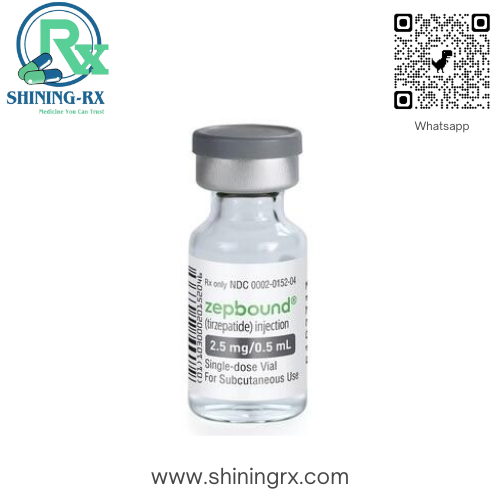
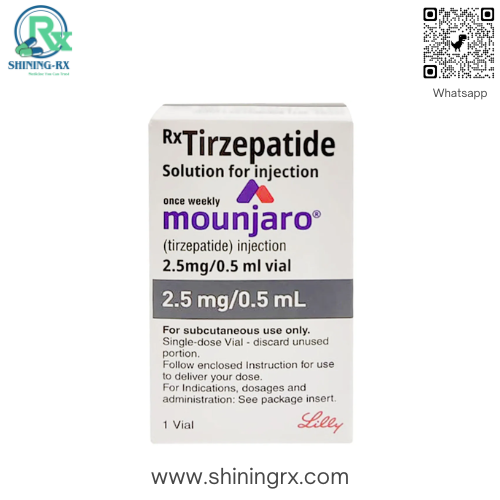
Most Tirzepatide side effects are mild, dose-related and settle as treatment continues. The reactions that matter clinically are rare but need to be recognised quickly.
Key takeaways
- Common effects: nausea, diarrhoea, decreased appetite, injection-site reaction.
- Avoid Tirzepatide in MTC/MEN2 history, pancreatitis history needs caution.
- Dose-related effects often resolve by stepping back one strength.
- Severe or persistent reactions warrant stopping and seeking review.
Frequency bands
| Frequency | Reactions | Action |
|---|---|---|
| Very common (>10%) | nausea, diarrhoea | Usually self-limiting; supportive measures and reassurance. |
| Common (1–10%) | decreased appetite, injection-site reaction | Review dose and timing; consider dose reduction. |
| Uncommon (<1%) | hypersensitivity, marked laboratory changes | Stop and arrange clinical assessment. |
| Rare | serious organ-specific reactions | Stop immediately; urgent medical attention. |
Reducing the burden
Take Tirzepatide exactly as directed: weekly injection starting 2.5 mg, escalating every 4 weeks by 2.5 mg. Splitting titration into smaller steps, dosing with food where the label allows, and hydrating well cover most tolerability problems seen in practice.
Tirzepatide at a glance
| Attribute | Detail |
|---|---|
| Drug class | dual GIP and GLP-1 agonist |
| Common brand | Mounjaro / Zepbound |
| Licensed use | type 2 diabetes and obesity |
| Available strengths | 2.5, 5, 7.5, 10, 12.5, 15 mg |
| Dosage form | prefilled pen |
| Typical onset | early appetite change in 1–2 weeks |
| Duration / dosing interval | weekly dosing, ~5-day half-life |
| Storage | 2–8 °C cold chain until first use |