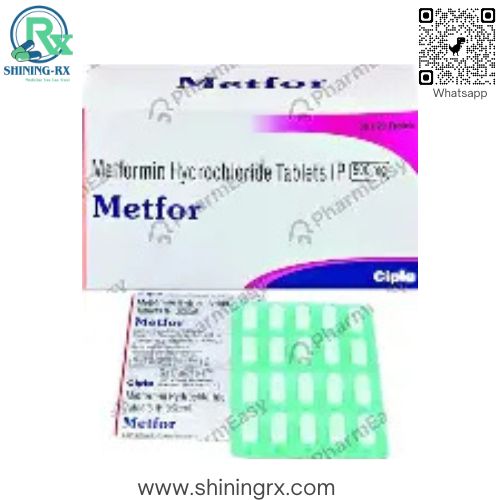
Metformin interacts with a defined set of drug classes, and is contraindicated in eGFR below 30 and acute metabolic acidosis. Screening for these before the first dose prevents almost all serious events.
Interaction classes to screen
| Class | Concern | Action |
|---|---|---|
| Metabolic inhibitors | Raised plasma levels and exaggerated effect | Reduce dose or space administration |
| Metabolic inducers | Reduced exposure and treatment failure | Review response and adjust |
| Same-target agents | Additive pharmacology | Avoid duplicate therapy |
| Agents affecting the same organ system | GI upset, metallic taste, B12 depletion on long-term use | Monitor and document |
Key takeaways
- Screen every new prescription against the patient's full medicine list.
- Common reactions, GI upset, metallic taste, B12 depletion on long-term use, are amplified by interacting drugs.
- Document the interaction check in the dispensing record.
- Re-screen whenever another long-term medicine is added.
Monitoring in practice
Most interaction risk is manageable with a scheduled review after the onset window of glycaemic effect over 1–2 weeks and one further check at steady state. Patients on multiple chronic medicines benefit from an annual structured medication review.
Metformin at a glance
| Attribute | Detail |
|---|---|
| Drug class | biguanide |
| Common brand | Glucophage |
| Licensed use | first-line type 2 diabetes |
| Available strengths | 500 mg, 850 mg, 1000 mg, XR forms |
| Dosage form | tablet / extended-release tablet |
| Typical onset | glycaemic effect over 1–2 weeks |
| Duration / dosing interval | immediate release 8–12 hours; XR 24 hours |
| Storage | below 30 °C |